
Climate Change Is Changing What “Home” Means in Africa
by
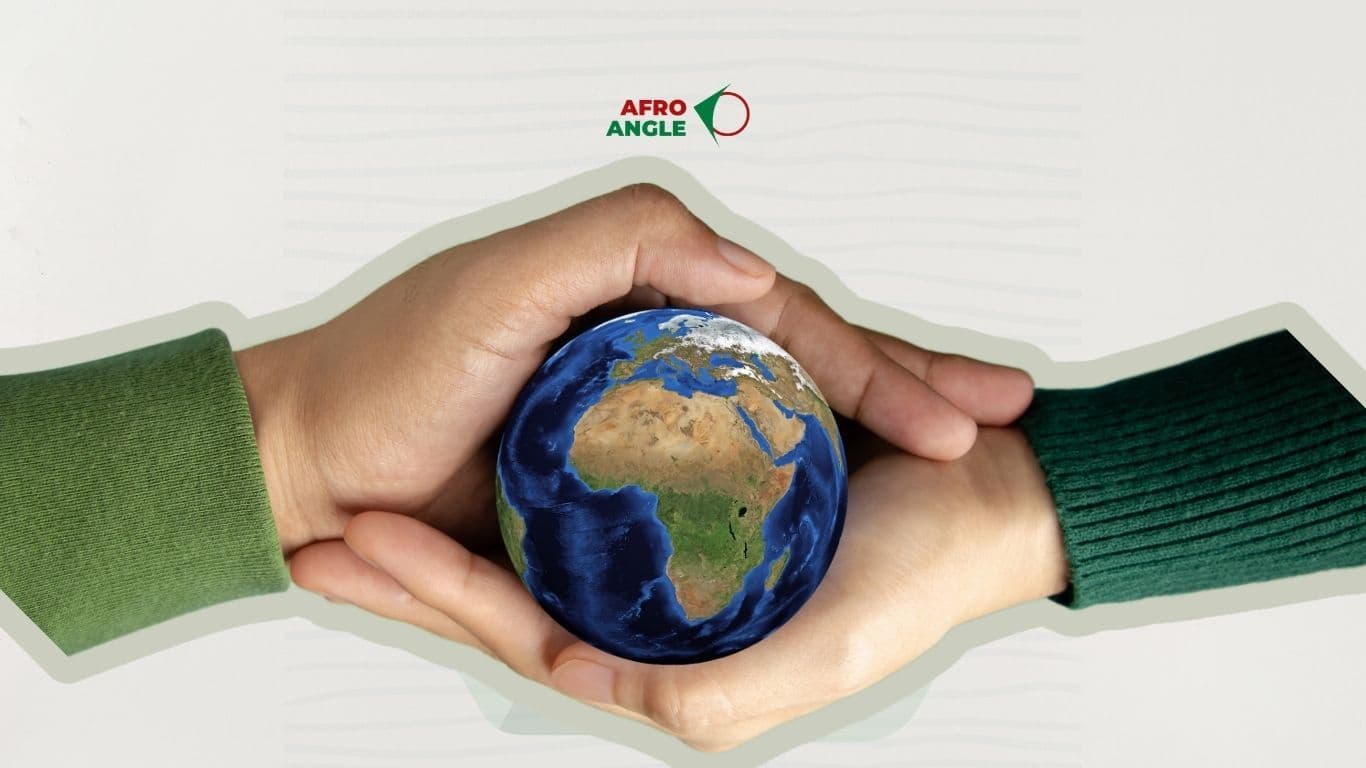
In many parts of Africa, home has long been understood as something stable, even when life itself is uncertain. It is tied to land, to family, and to a sense of continuity that extends across generations. A home is not only a structure; it is where identity is anchored and where everyday life unfolds in familiar rhythms. Yet across the continent, this understanding is beginning to shift. Climate change is quietly altering what it means to have a home, not through a single dramatic event, but through repeated disruptions that make permanence harder to sustain.
Across flood-prone communities in Nigeria, seasonal patterns that were once predictable have become increasingly erratic. Heavy rains now arrive with greater intensity, overwhelming drainage systems and submerging entire neighbourhoods. Families are forced to leave, sometimes returning after the waters recede, and sometimes not. In other regions, prolonged dry spells are reducing access to water and making it difficult to sustain livelihoods tied to land. These experiences are not always described as a loss of home, yet they gradually reshape what home represents.
Climate change in Africa is often discussed in terms of emissions targets, adaptation strategies, and global negotiations. But at the level of everyday life, its effects are already visible in more immediate ways. People are rebuilding more frequently, relocating more often, and learning to live with the expectation that disruption may return. In this context, home is no longer assumed to be permanent. It becomes something that can be lost, regained, and altered repeatedly.
When Home Becomes Uncertain
For many communities, this shift is subtle but significant. A house that floods every year is still called home, but it is experienced differently. It carries an awareness of risk. Families begin to adjust their expectations, investing cautiously in improvements or preparing, both mentally and materially, for the possibility of leaving again. Over time, the relationship between people and place becomes conditional rather than assured.
Displacement plays a central role in this transformation. Across sub-Saharan Africa, weather-related events continue to drive large-scale internal movement. According to the Internal Displacement Monitoring Centre, millions of people are displaced each year by floods, storms, and drought. While some of these movements are temporary, many are repeated, creating cycles of departure and return that weaken any clear sense of permanence.
Displacement Without Permanence
This form of displacement does not always fit into conventional categories. It is not always permanent relocation, nor is it a one-time emergency. Instead, it exists as a recurring condition. Families may leave during periods of environmental stress and return when conditions improve, only to repeat the process again. Others move within short distances, maintaining ties to their original homes while adapting to new conditions. In these situations, home becomes less about a fixed location and more about a shifting point of reference.
The World Bank has noted that climate-related shocks are increasing patterns of internal displacement across developing regions, particularly in areas where livelihoods depend heavily on natural resources. In these contexts, mobility is not always a choice but a response to environmental pressure.
Living With Instability in African Cities
Urban areas are experiencing a different but related transformation. As cities expand, many residents settle in areas that are more exposed to environmental risks, often because they are the only spaces available or affordable. In cities such as Lagos, heavy rainfall increasingly leads to flooding that enters homes, damages property, and disrupts daily routines.
Unlike sudden displacement, this form of instability is gradual. Homes are not always abandoned, but they become more difficult to live in consistently. Maintaining a home requires constant adjustment. Residents elevate furniture, reinforce structures, or temporarily relocate during periods of intense rainfall. These actions reflect resilience, but they also signal a shift in meaning. Home is no longer simply a place of rest and safety. It is a space that must be continually managed in response to environmental pressure.
The Weight of an Unstable Home
Beyond physical changes, the shifting nature of home carries emotional and psychological consequences. Stability is not only about having a roof; it is about predictability, routine, and a sense of belonging. When homes are repeatedly disrupted, these elements begin to erode.
Children are particularly affected by this instability. Growing up in environments where relocation is frequent or expected can shape how they understand security. The idea that home can change or be lost becomes normalised. Research by James J. Heckman (2012), a Nobel Prize–winning economist known for his work on early childhood development, shows that stable environments during early years are critical for long-term cognitive and social outcomes. When that stability is weakened, the effects can extend far beyond childhood.
Adults also carry the burden of repeated disruption. Rebuilding homes, recovering from losses, and adjusting to changing conditions require both financial and emotional resources. Over time, this shapes how people think about the future. Planning becomes cautious, and long-term stability is no longer assumed.
What Lies Ahead
What lies ahead is not only how Africa responds to climate change, but how it protects the conditions that make home possible. Across the continent, people are already adapting to environmental instability, but this adaptation is often taking place within systems that do not guarantee long-term stability.
If current patterns continue, home may increasingly be understood not as a fixed place, but as something flexible and dependent on environmental conditions. While adaptability can be a source of strength, it should not replace the expectation of safety and permanence.
Addressing the climate crisis therefore requires more than responding to environmental events. It requires creating conditions in which people can live with a reasonable sense of stability, even in a changing climate. The way this challenge is approached will shape not only where people live, but how they experience belonging, community, and the future itself.
Oluwatoni Honour Afinjuomo
Oluwatoni Afinjuomo is a climate policy analyst whose work focuses on climate governance, institutional frameworks, and the systems that enable effective climate action across Africa. Her work examines how governance structures shape climate responses and their implications for issues such as food insecurity, displacement, and social inequality, with a commitment to grounding climate policy in African realities.
comments
Lucky
18w
This is a great read Honour. You touch on very salient points regarding the impact of climate change especially in sub-Saharan Africa who contributes less the the issue but faces the impact more severely