
From Côte d'Ivoire to Nigeria: The Rise of Prince Obelawo, an Industrial Pioneer
by

Listen to this article
Lawal Yusuf Amuda Obelawo's name hardly features wherever Nigerian industrial pioneers are being mentioned. The reason for this usual omission, or what may be considered a marginal focus on his contribution to the Nigerian economy beginning from Osogbo, is not far-fetched. Unlike many popular industrialists and wealthy businessmen such as Candido Da Rocha, Louis Odumegwu Ojukwu, Alhassan Dantata, and Moshood Abiola, Obelawo's journey as a businessman began across the border in Côte d'Ivoire, where he arrived as a young man and began building his life through trade, labour, and an instinct for opportunity.
Early Life and Legacy
Obelawo's early years were marked by personal loss, poverty, and uncertainty about his future. Born in 1930 to the Agbetusi Royal House in Ara, the absence of a paternal figure at a very young age exposed him to the harsh realities of life, forcing him to leave the shelter of his mother's care and enter the difficult world of trade. His first labour efforts complemented his mother's struggle to fill the financial gap left by his father's death. By nineteen, he saw no future for himself within Nigeria.
Before leaving for Côte d'Ivoire in 1949, where he lived with his uncle Baba Muhammadu, he had attempted to travel overseas, but a travel agent entrusted with his paperwork scammed him. That early betrayal sharpened his understanding of human nature, a discernment that would serve him well after he settled in Treichville, Abidjan, within a growing Yoruba community.
He started as a hawker of cigarettes at filmhouses in Abidjan. Later, he raised money to buy a commercial vehicle and began transporting migrants from Ejigbo between Nigeria and Côte d'Ivoire. The profit from this first business accumulated into buying metered taxis. He is said to have dominated the transportation business in Abidjan by owning over 500 metered taxis. To maximise profit and expand his venture, he pivoted into oil and gas by building several filling stations where his taxis refuelled for their daily runs.
His business success might appear to be a straightforward story of luck, an exemplar of how a man without formal education can build wealth from scratch. But the complete narrative of his rise to affluence contradicts this account. His business acumen, while instinctive, was sharpened by a business training course he took in France, sponsored by the French government in 1952 and supplemented by a start-up grant from the colonial government at the time. Through the combination of government funding, academic training, and native intelligence, he went on to dominate the transport sector, oil and gas, and the automotive industry by facilitating the entry of Toyota into the Ivorian automotive space.
Obelawo's Return to Nigeria
Obelawo's return to Nigeria in the early 1970s was shaped by a historic meeting with Yakubu Gowon, the Nigerian military head of state at the time. During Gowon's visit to Côte d'Ivoire in 1969, the Ivorian host introduced Obelawo as a serial investor whose contributions had significantly boosted the Ivorian economy. Gowon seized the opportunity to invite him to replicate his business success in Nigeria.
Following a private meeting in Lagos and discussions with the Governor of Western State, facilitated through the Governor's Permanent Secretary, Mrs. Alakija Rotimi, the widely known Yoruba businessman in Côte d'Ivoire began to invest in his home country. This return might be read as one orchestrated by his encounter with the military government. However, it could also be interpreted as one that served his deeper desire as a wealthy Yoruba resident of Côte d'Ivoire. According to research, the majority of Yoruba people who settled in Côte d'Ivoire from the late 19th century looked forward to eventually returning to their homeland. For Obelawo, being invited by the military government to contribute to Nigeria's economy offered a seamless path home — one that preceded the final return his retirement to Nigeria would have represented.
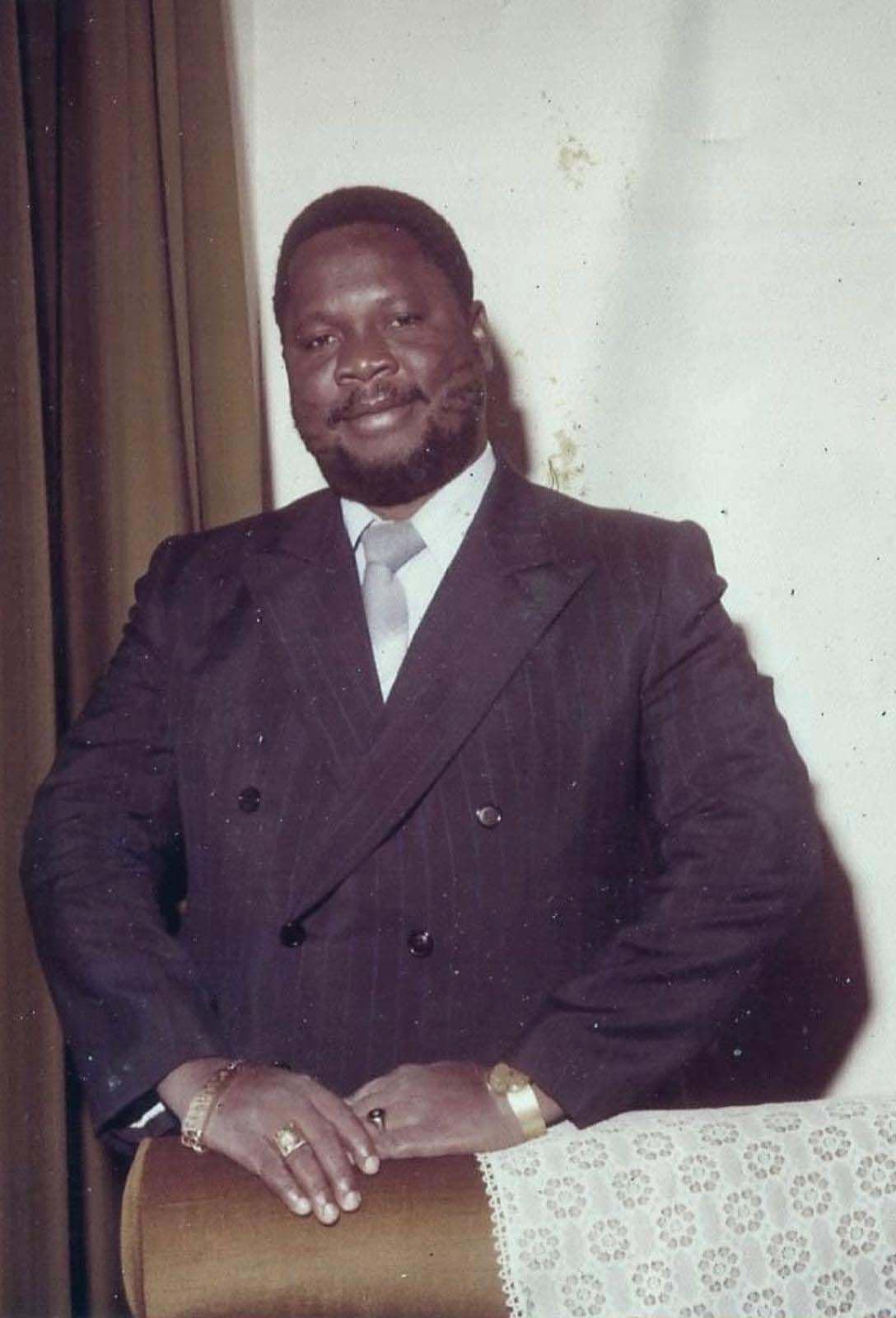
Two years after this historic encounter, Obelawo founded Lawal Obelawo Plastic Pipe Industry Nigeria (LOPIN) Limited in Osogbo, Osun State, marking a pivotal moment in the history of industrialisation in this part of Nigeria. LOPIN became one of the most advanced facilities for the production of HDPE and uPVC pressure pipes used in construction, water distribution, and public utilities. Building on this success, he established Plastex Nigeria Limited and Rehau Plastics to supply essential materials for major residential housing projects across Nigeria. He further expanded his businesses to include the first indigenous cement factory and sawmills in Oyo, Ejigbo, Ede, and Iwo.
Obelawo's Enduring Legacy
On 11 March 2026, Nigerian media announced his passing. In a brief conversation with his daughter, she described his departure as peaceful, while reflecting on his legacy. Posterity, we say, is the ultimate judge. In the case of Chief Obelawo, he will be remembered not simply as a businessman who built an empire in Côte d'Ivoire before bringing that success home to Nigeria. He will be remembered at home as the inspiration for every Yoruba who journeyed from Osun State in search of economic opportunities in Côte d'Ivoire. In Ejigbo, for instance, his name will forever be inscribed on the list of sons of Ogiyan, despite being from Ara, a neighbouring town. Among transporters who have made their fortune moving Yoruba people from Ejigbo to Côte d'Ivoire, he will go down as the pioneer who revolutionised the movement of people between Nigeria and Côte d'Ivoire.
At his forty-second birthday celebration, Yusuf Olatunji, the Yoruba musician celebrated for popularising the Sakara music style, estimated the worth of his wealth using the Yoruba term "àgbàná" – a force said to engender ruinous spending to the point of poverty. According to this bard, Chief Obelawo's wealth had scaled beyond the capacity of "àgbàná" to inflict ruin. This is what earned him the title of Babalaje of Ejigbo in 1976. This same wealth that affirmed his economic contribution to Nigeria also influenced President Olusegun Obasanjo to award him the Order of the Niger (OON).
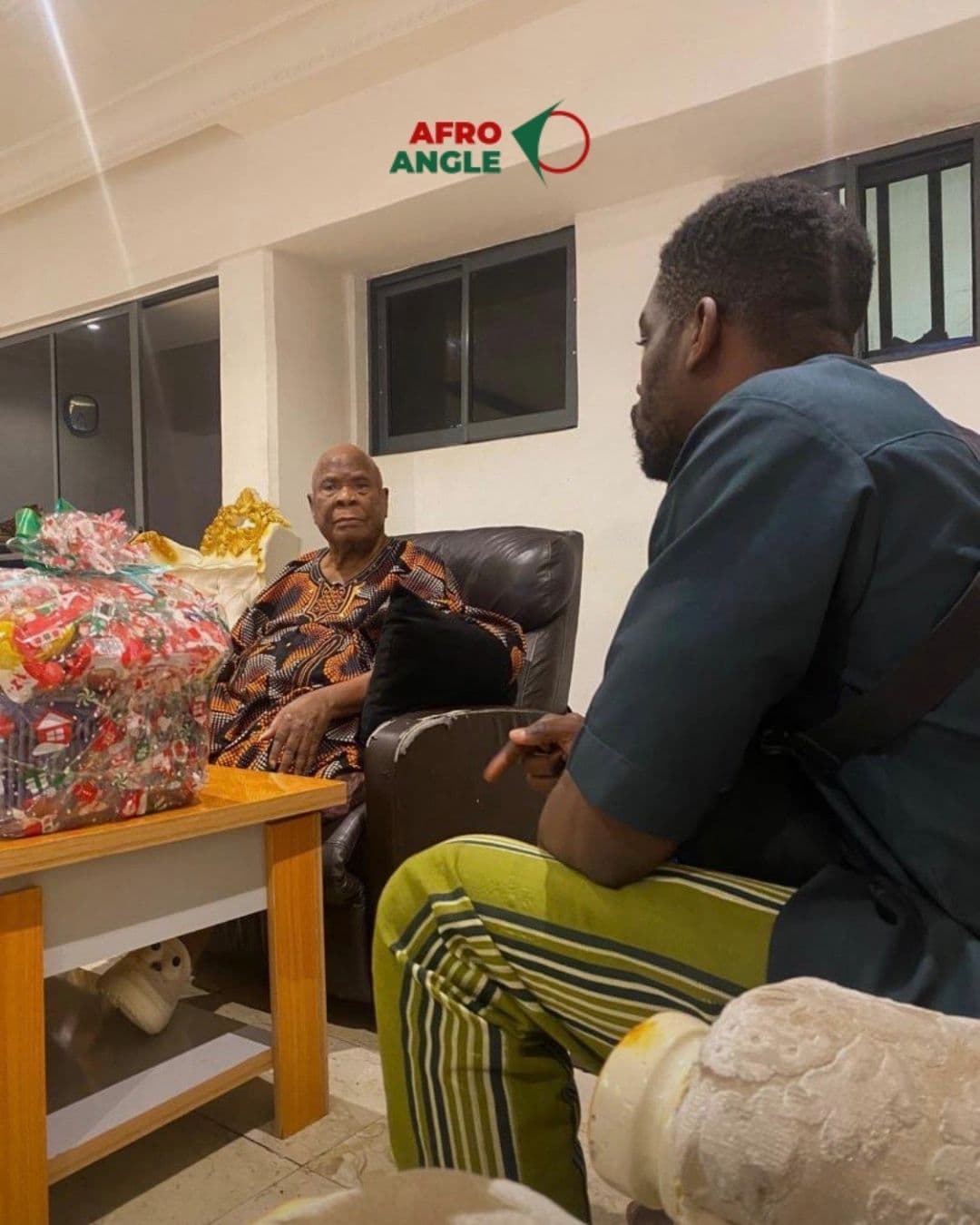
This is the inspiring story of a boy robbed of his father at a young age, who bore the pain of betrayal and relied on his uncle's goodwill to pursue success in a foreign land. Before Aliko Dangote, Femi Otedola, and many other household names of today, there was Chief Obelawo, a man whose biography tells us much about how Yoruba people integrated into Ivorian society in the 1950s and the extent of their economic influence in West Africa.
Abubakar S Tajudeen
Abubakar S Tajudeen is a final-year law student at the University of Ibadan. He previously earned a bachelor’s degree in French from the Department of European Studies at the same institution. A hyperpolyglot, he speaks and understands eight African and international languages. With an academic background that bridges French studies and law, his research interests are multidisciplinary, encompassing (post)colonial literature, linguistics, and multilingualism, as well as public policy, international law, human capacity development, and civic communication. He has published in the Midwest Social Sciences Journal.
comments
Kareem Saheed Adekunle
26w
Baba wa obe lawo wan ri aye wa wan si ri lo wan tun wa ri se ki Olohun kewan amin