
When Ojude Oba Festival Becomes a Performance
by
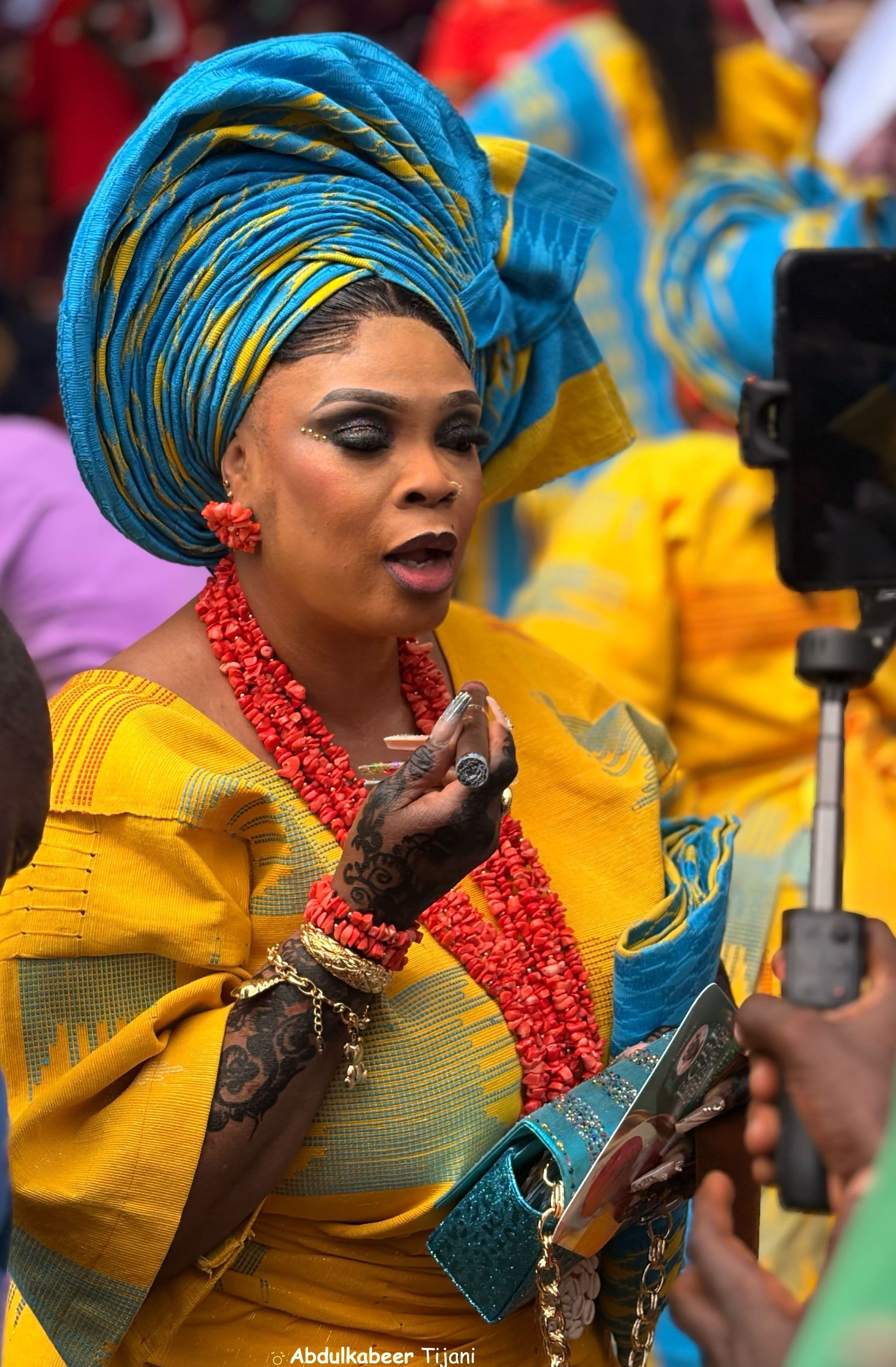
By noon on the day of Ojude Oba, I had stopped looking at the horses.
This was not because they were absent. On the contrary, the horse-riding families were everywhere, arriving in colourful processions that have become one of the defining symbols of the festival. Their appearance drew cheers from spectators, attracted cameras from every direction, and generated the kind of visual spectacle that now circulates globally through social media. Yet standing in the crowd as a first-hand observer, I found my attention drifting elsewhere. I was watching people watch the festival. More specifically, I was watching how a cultural celebration that emerged from a tradition of communal homage increasingly appeared to be organized around performance, visibility, and spectacle.
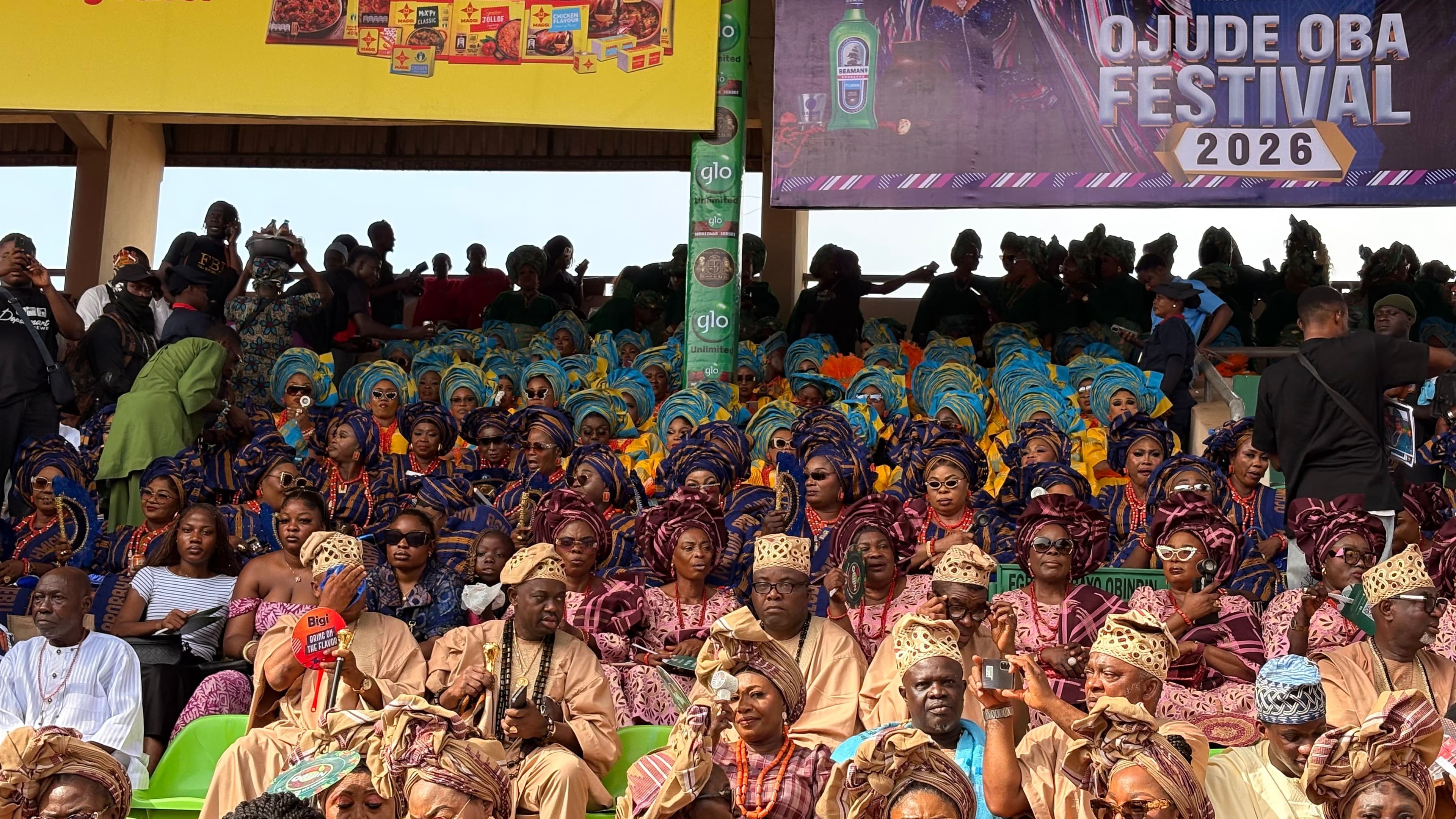
Ojude Oba occupies a unique place in Nigeria’s cultural landscape. What began in the nineteenth century as an annual gathering of Muslim converts paying homage to the Awujale of Ijebuland has evolved into one of Africa’s most recognizable cultural festivals. The annual event now attracts politicians, celebrities, tourists, photographers, influencers, and members of the Ijebu diaspora from across the world.
From Cultural Ritual to Global Performance
In recent years, the visibility of Ojude Oba has expanded dramatically through social media. Viral videos, cinematic photography, and influencer culture have transformed the festival into an international cultural phenomenon. For many young Nigerians who have never attended physically, their first encounter with Ojude Oba is through carefully curated images of horse riders, elaborate attire, luxury accessories, and highly stylized displays of prestige.
There is nothing inherently problematic about this transformation. Cultures evolve. Festivals adapt. Visibility can preserve traditions by introducing them to new audiences. Indeed, the recent popularity of Ojude Oba has generated renewed interest in Ijebu history, Yoruba culture, and the institution of the Awujale. Yet visibility can also alter the meaning of cultural practices. What was originally intended for participants gradually becomes directed toward spectators. In the process, performance can begin to overshadow purpose.
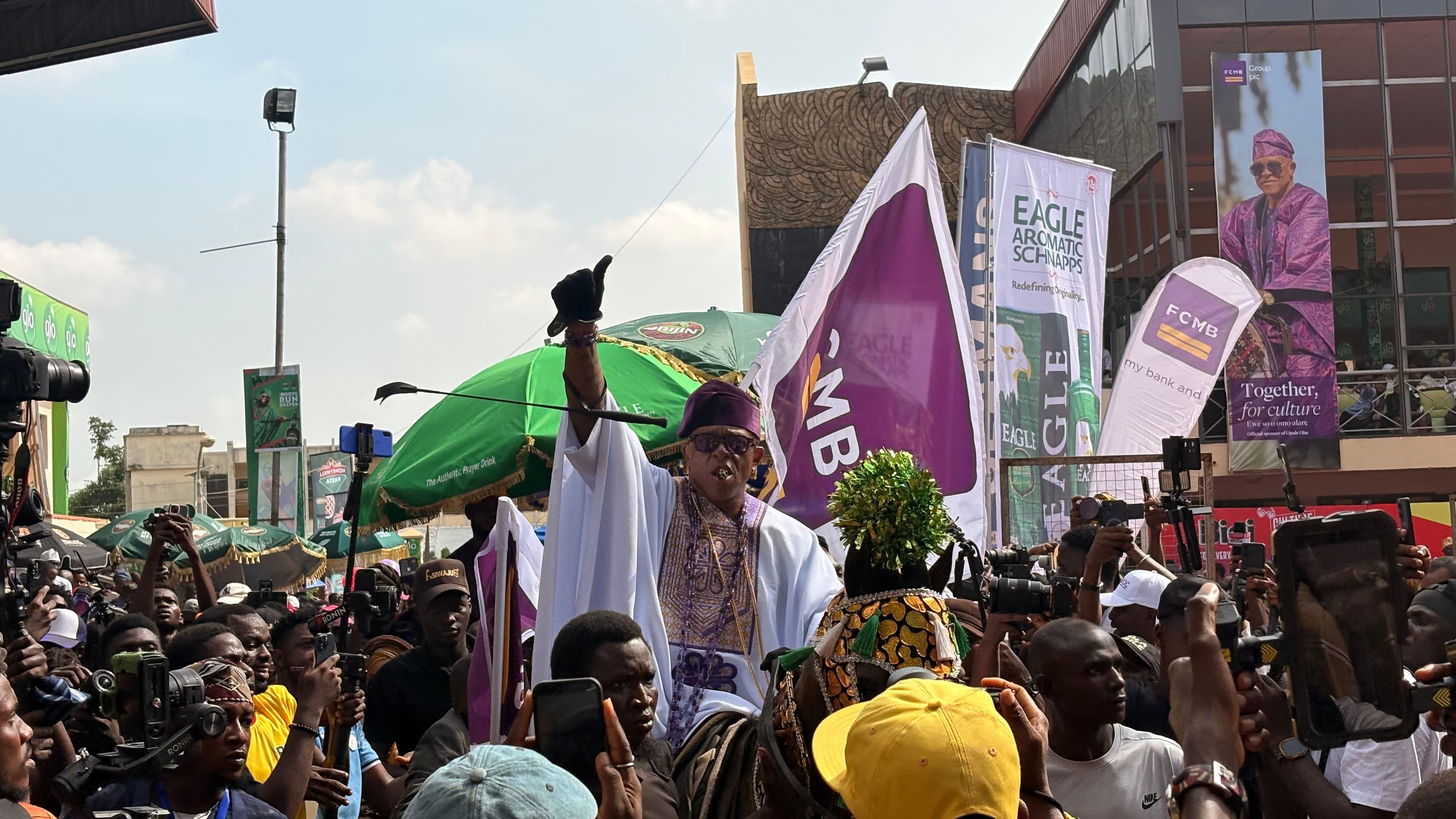
This tension was evident throughout the 2026 festival. Much of what attracted attention appeared designed less for the people physically present than for audiences who would eventually consume the event online. Every procession became content. Every rider became a potential viral image. Every regberegbe entrance seemed calibrated for photography. The phones were impossible to ignore. Thousands of them hovered above the crowd, documenting almost every moment. At times, it felt as though attendance itself had become secondary to documentation.
The Farooq Oreagba Effect and the Rise of Festival Celebrity
The shift is perhaps best understood through the growing celebrity culture surrounding Ojude Oba. The widespread fascination with Farooq Oreagba following the 2024 festival demonstrated how individual personalities can come to dominate public conversations about an event.
Oreagba's now-famous appearance generated enormous publicity for the festival and introduced it to audiences far beyond Nigeria. Yet it also revealed a subtle transformation in public perception. Increasingly, discussions about Ojude Oba focused not on its history, religious origins, age-grade institutions, or relationship with the Awujale, but on style, fashion, aesthetics, and individual charisma. The festival remained culturally significant, but the terms through which it was being understood had changed.
The question is not whether publicity is good or bad. The question is whether a cultural festival can retain its historical meaning when its most visible symbols are no longer the institutions that created it but the personalities who emerge from it.
When Popularity Outgrows Infrastructure
The consequences of this transformation became clearer as the day progressed. As attendance surged, the festival gn n rounds struggled to accommodate the growing crowd. Moving from one section of the arena to another became increasingly difficult. Finding a clear view of the activities required constant repositioning. Finding somewhere to sit proved almost impossible.
By mid-afternoon, exhaustion had become a common topic of conversation among attendees. People complained about congestion, poor crowd flow, and inadequate facilities. Some had travelled considerable distances to attend but spent much of their day navigating logistical frustrations rather than engaging with the festival itself.
This raises a question that receives far less attention than the festival’s aesthetics: can Ojude Oba continue growing without corresponding investments in organization and infrastructure?
The popularity of the festival is frequently celebrated as evidence of cultural vitality. Yet popularity alone does not guarantee sustainability. Every successful cultural event eventually confronts the challenge of scale.
Culture Needs More Than Visibility
Conversations about Ojude Oba often focus more on what people see than what people actually experience. But if you look beyond the photos on social media, there’s another side to the story, one that includes navigating heavy crowds, dealing with transport challenges, struggling with limited seats, restricted movement, and the physical stress that comes with it all.
These concerns may appear mundane compared to the glamour of horse-riding processions and luxury fashion, but they ultimately shape how people experience the event. Culture is not only a spectacle. It is also infrastructure. A festival succeeds not simply because it looks impressive but because it allows people to participate meaningfully.
The danger is that Ojude Oba may become a victim of its own success. As attention increases, the temptation will be to focus even more heavily on spectacle because spectacle generates publicity. Yet publicity cannot substitute for organization.
Preserving the Experience of Ojude Oba
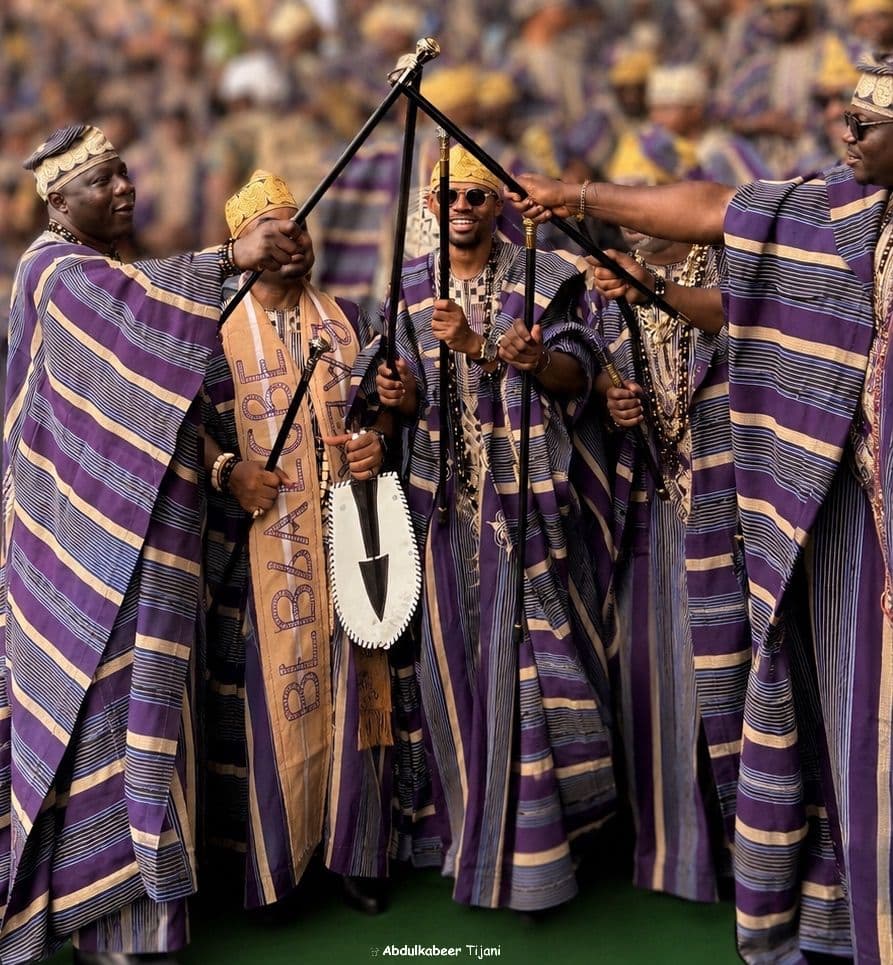
None of these diminishes the remarkable achievement that Ojude Oba represents. Few cultural festivals in Africa have successfully maintained their relevance while simultaneously expanding their global reach. The challenge, however, is ensuring that growth does not come at the expense of meaning.
What I witnessed at Ojude Oba was not a cultural decline but a cultural crossroads. The festival has become larger than it was at any point in history. The question now is whether its custodians will recognize that success brings new responsibilities.
A festival cannot survive on visibility alone. Eventually, every spectacle must decide whether it wishes to remain a performance or continue functioning as a living cultural institution.
Abdulkabeer Tijani
Abdulkabeer Tijani is a Nigerian freelance journalist and visual storyteller with expertise on Nigeria’s media landscape. He has written for leading international media outlets including Al Jazeera, Minority Africa, International Journalists Network, The Continent, University World News and The Republic.
comments
No comments yet